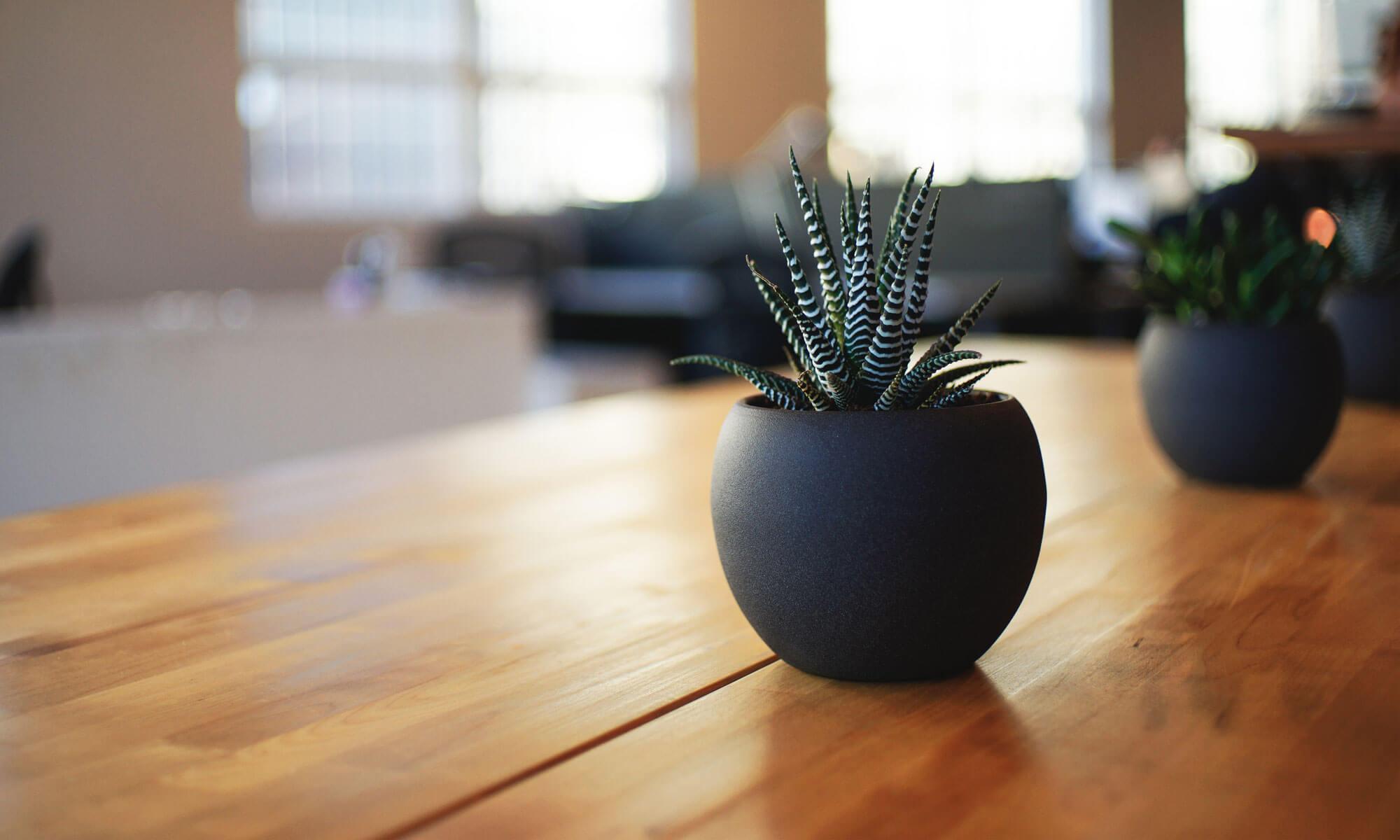
- Distinctive textures and patterns define the growing popularity of spinkings in design
- The Composition and Creation of Spinkings
- Variations in Spinking Finishes
- Spinkings in Interior Design: Applications and Styles
- Spinkings in Architectural Projects and Exterior Design
- Installation Considerations for Architectural Spinkings
- The Sustainable Potential of Spinking Materials
- Advancements in Spinking Technology and Future Trends
Distinctive textures and patterns define the growing popularity of spinkings in design
The world of interior design is constantly evolving, seeking new textures, patterns, and materials to elevate spaces. Emerging from a niche interest, spinkings are beginning to capture the attention of designers and homeowners alike, offering a unique aesthetic appeal. These textured surfaces, often characterized by their swirling, organic forms, are proving versatile enough to complement a variety of design styles, from minimalist modern to eclectic bohemian. The growing demand stems from a desire for tactile experiences and a move away from sterile, overly polished environments.
Beyond their visual appeal, spinkings’ rising popularity is linked to their ability to introduce depth and intrigue to otherwise flat surfaces. They're being incorporated into everything from wall coverings and furniture to decorative objects and art installations, adding a layer of complexity that draws the eye and invites touch. This trend reflects a broader cultural shift towards valuing craftsmanship, authenticity, and a connection to natural forms, even when achieved through synthetic materials or innovative manufacturing processes. Their adaptability and visual impact make them a compelling choice for those looking to refresh their living or working spaces.
The Composition and Creation of Spinkings
Understanding what constitutes a spinking is crucial to appreciating its design potential. They aren't a single material, but rather a category defined by a particular aesthetic – a swirling, organic pattern resembling wood grain, marble veins, or even subtle water currents. This effect can be achieved using a variety of techniques and materials, including specialized coatings applied to various substrates, intricately molded polymers, and even digitally printed textures. The key lies in creating a sense of movement and depth within the surface, avoiding rigid geometric patterns in favour of fluid, naturalistic forms. Different manufacturers have developed proprietary methods to achieve this, resulting in a diverse range of spinking options, each with its own unique character and durability.
The process of creating spinkings often involves layering and manipulating materials to build up the desired texture. In some cases, this is done by hand, employing skilled artisans who can sculpt and refine the surface to achieve a one-of-a-kind result. However, increasingly, spinkings are produced using automated techniques, allowing for greater consistency and scalability. Digital printing plays a significant role, enabling designers to create highly customized patterns and colors. The choice of manufacturing method depends, in large part, on the intended application and the desired level of detail. The materials used are also varied, ranging from eco-friendly, bio-based polymers to more conventional options like acrylics and resins.
Variations in Spinking Finishes
The final appearance of a spinking is significantly influenced by the finish applied. Matte finishes emphasize the texture and create a soft, understated look, while gloss finishes highlight the swirling patterns and add a touch of glamour. Metallic finishes, often incorporating pigments like bronze or copper, can create a luxurious effect, particularly when used in architectural applications. The addition of pearlescent or iridescent pigments can also add an element of visual intrigue, causing the surface to shift and shimmer in different lights. Furthermore, designers are increasingly experimenting with incorporating subtle gradients and color variations within the spinking pattern itself, adding another layer of complexity and visual interest. The possibilities are virtually endless, limited only by the imagination of the designer and the capabilities of the manufacturing process.
Another crucial aspect of the finish is its durability and resistance to wear and tear. Spinkings intended for high-traffic areas, such as flooring or wall coverings, require a more robust finish that can withstand abrasion, staining, and fading. Specialized coatings are often applied to enhance these properties, ensuring that the spinking maintains its visual appeal for years to come. The choice of finish must therefore balance aesthetic considerations with practical concerns, taking into account the specific requirements of the application.
| Spinking Material | Typical Applications |
|---|---|
| Polymer Resin | Furniture, decorative panels, art installations |
| Specialized Coatings | Wall coverings, flooring, automotive interiors |
| Molded Plastics | Lighting fixtures, sculptural elements, product casings |
| Digitally Printed Vinyl | Temporary installations, retail displays, signage |
The table illustrates how different materials suit various design needs. The chosen composition significantly alters the practicality and aesthetic of the final spinking product.
Spinkings in Interior Design: Applications and Styles
Spinkings are demonstrating remarkable versatility within the realm of interior design. They are no longer confined to niche applications but are becoming integral components in a wide range of projects, from residential homes to commercial spaces. One of the most common uses is as a wall covering, where the swirling patterns add depth and texture to otherwise flat surfaces. Spinkings can be applied to entire walls, creating a dramatic focal point, or used as accent panels to highlight specific architectural features. They also work exceptionally well on furniture, particularly on tabletops, cabinet doors, and headboards, adding a touch of visual interest and sophistication. Beyond these common applications, spinkings are increasingly being incorporated into lighting fixtures, decorative objects, and even flooring, showcasing their adaptability and design potential.
The aesthetic style of a spinking can be tailored to suit a wide range of design preferences. In minimalist interiors, subtle, monochromatic spinkings can add a touch of texture without overwhelming the space. In more eclectic settings, bolder patterns and vibrant colors can create a focal point and complement a mix of different styles. Spinkings also pair well with natural materials, such as wood, stone, and leather, enhancing the overall sense of warmth and authenticity. Their organic forms resonate particularly well with biophilic design principles, creating spaces that feel more connected to nature and promote well-being. When integrated effectively, spinkings elevate a space beyond simple decoration, becoming an intrinsic element of the design narrative.
- Adds textural interest to flat surfaces.
- Complements diverse design styles (minimalist to eclectic).
- Can be customized with varying colors and patterns.
- Suitable for both residential and commercial applications.
- Enhances biophilic design principles.
- Offers a unique alternative to traditional materials.
- Contributes to a sense of depth and visual complexity.
This list summarizes the primary advantages of integrating spinkings into interior design projects. Their flexibility and range of aesthetic possibilities make them a valuable tool for any designer.
Spinkings in Architectural Projects and Exterior Design
While initially favored within interior design, the application of spinkings is increasingly expanding into architectural projects and even exterior design elements. Their durability, particularly when utilizing robust resins and protective coatings, makes them viable for facing materials. We see burgeoning use in facade paneling, where the swirling patterns create dynamic visual effects that change with the light and shadow. This is particularly effective in climates with strong sunlight, where the textures become more pronounced. Beyond facades, spinkings are appearing in landscaping features, such as retaining walls and decorative screens, adding a unique artistic touch to outdoor spaces. The material's resistance to weathering is a key factor in these exterior applications, ensuring longevity and minimizing maintenance.
The integration of spinkings into architectural design offers opportunities for creative expression and customization. Designers can experiment with different colors, patterns, and finishes to create facades that reflect the building's function or the surrounding environment. The use of digital printing allows for the creation of large-scale murals and artwork directly onto the building's exterior, transforming it into a canvas for artistic expression. Furthermore, the lightweight nature of many spinking materials can reduce the structural load on the building, potentially lowering construction costs. However, it's crucial to carefully consider the local climate and environmental conditions when selecting a spinking material for exterior use, ensuring its long-term performance and aesthetic appeal.
Installation Considerations for Architectural Spinkings
Proper installation is paramount to ensuring the longevity and visual appeal of spinkings used in architectural applications. The substrate must be properly prepared to ensure adequate adhesion and prevent moisture damage. Depending on the material and application, various installation methods can be employed, including adhesive bonding, mechanical fastening, and interlocking systems. It’s vitally important to follow the manufacturers’ guidelines carefully and to employ qualified installers with experience working with these materials. Considerations must also be given to thermal expansion and contraction, particularly in climates with significant temperature fluctuations. Allowing for sufficient movement in the installation will prevent cracking or warping over time. Finally, regular maintenance, including cleaning and inspection, is essential to preserve the spinking’s aesthetic qualities and protect against environmental damage.
Beyond the technical aspects of installation, attention should be paid to the overall design integration. The spinking’s color and texture should complement the building’s architecture and surrounding landscape. The scale of the pattern should be appropriate for the size of the building and the viewing distance. Thoughtful consideration of these factors will ensure that the spinkings enhance the building’s aesthetic appeal and contribute to a cohesive and visually pleasing design.
- Prepare the substrate for optimal adhesion.
- Select the appropriate installation method.
- Follow manufacturer’s guidelines carefully.
- Account for thermal expansion and contraction.
- Implement a regular maintenance schedule.
- Ensure aesthetic cohesion with the surrounding architecture.
The listed steps outline the critical aspects of successfully installing spinkings in an architectural context. Careful planning and execution guarantee a durable and visually stunning result.
The Sustainable Potential of Spinking Materials
As environmental consciousness grows, the sustainability of building materials is becoming increasingly important. The world of spinkings is responding to this demand with the development of eco-friendly materials and manufacturing processes. Several manufacturers are now utilizing bio-based polymers derived from renewable resources, such as cornstarch and sugarcane, to create spinking surfaces. These materials offer a lower carbon footprint compared to traditional petroleum-based plastics and reduce reliance on fossil fuels. Additionally, some spinking manufacturers are incorporating recycled content into their products, diverting waste from landfills and promoting a circular economy. The use of water-based coatings and adhesives further minimizes the environmental impact.
The sustainability of spinkings extends beyond the materials themselves to encompass the manufacturing process. Companies are adopting energy-efficient technologies and implementing waste reduction strategies to minimize their environmental footprint. Furthermore, the durability of spinking materials contributes to sustainability by extending the lifespan of products and reducing the need for frequent replacements. Choosing spinkings with environmental certifications, such as LEED or Cradle to Cradle, can provide assurance that the product meets stringent sustainability standards. The move towards more sustainable spinking materials reflects a broader trend within the design industry, prioritizing environmental responsibility without compromising aesthetic appeal or performance.
Advancements in Spinking Technology and Future Trends
The future of spinkings is poised for exciting advancements fueled by ongoing innovation in materials science and manufacturing technology. Researchers are exploring the potential of incorporating self-healing polymers into spinking surfaces, enabling them to repair minor scratches and damage automatically. This would significantly extend the lifespan of the material and reduce maintenance costs. The development of dynamic spinkings, capable of changing color or pattern in response to external stimuli, such as light or temperature, is also on the horizon. Imagine a wall covering that shifts its hue throughout the day, creating a constantly evolving ambiance. Furthermore, the integration of sensors and interactive elements into spinking surfaces opens up possibilities for new applications in smart homes and interactive environments.
We are likely to witness increased personalization of spinking designs, moving away from mass-produced patterns towards bespoke creations tailored to individual client preferences. Advancements in 3D printing technology will play a key role in this trend, enabling the production of complex and intricate spinking patterns on demand. The utilization of augmented reality (AR) will also become more prevalent, allowing designers and clients to visualize spinking installations in real-time before they are physically implemented. Ultimately, these advancements will cement spinkings’ role as a dynamic, versatile, and increasingly sustainable element of design, seamlessly bridging the gap between aesthetics, technology, and environmental responsibility.